When you click the link, it will take you to the corresponding page.
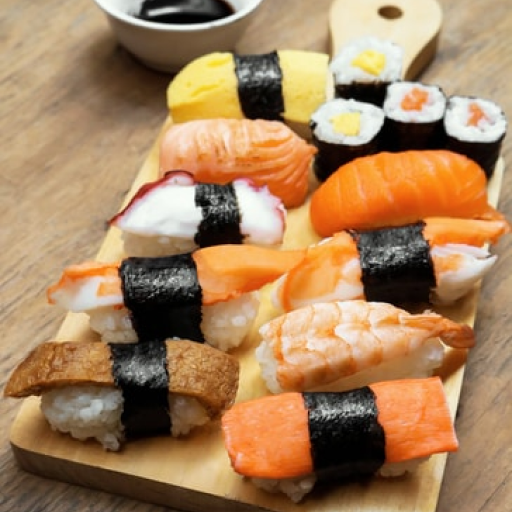
上にぎり
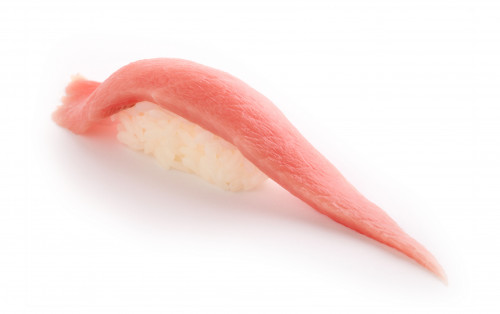
中トロ
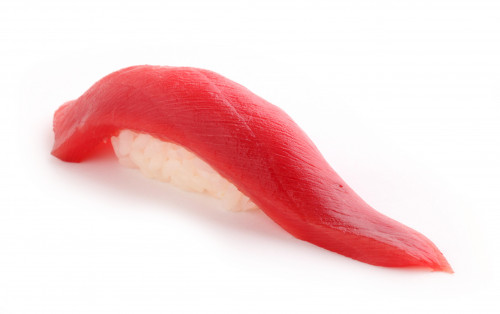
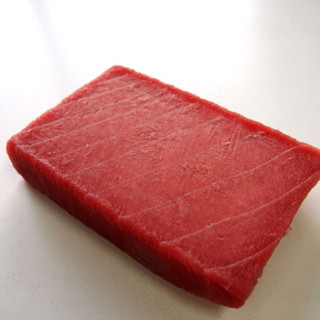
まぐろ赤身
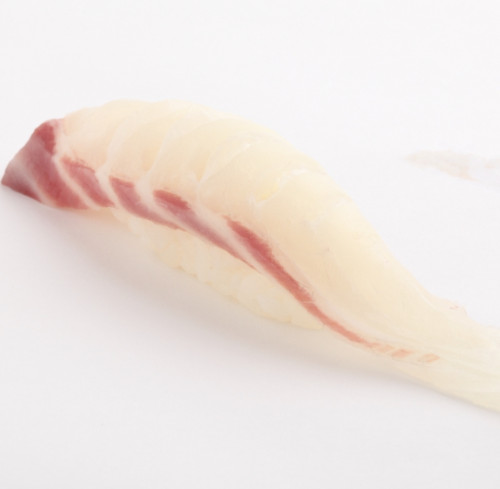
季節の白身
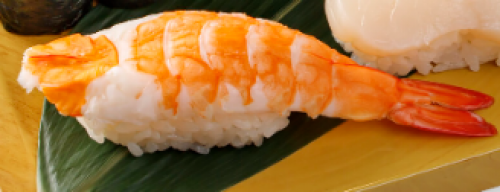
ボイル海老
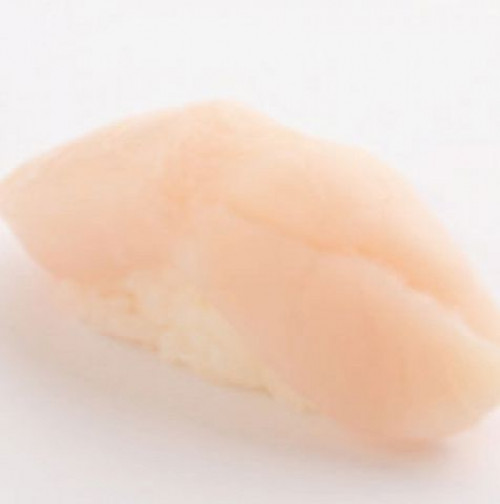
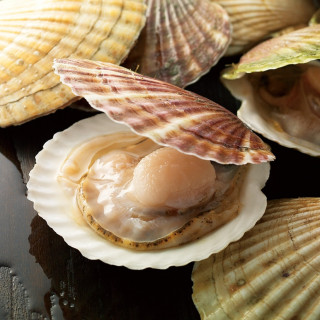
帆立
Scallops, known as "Hotate" in Japanese, are prevalent seafood in Japanese cuisine. They are commonly found in sushi restaurants and Japanese cuisine establishments. Scallops are typically consumed raw or lightly grilled and served with sushi rice or wrapped in nori (seaweed). They can also be prepared as sashimi or sushi rolls. Although they are commonly referred to as "scallops" (the standard Japanese term is "Hotategai"), the term specifically refers to the muscular part of the scallop known as the "Hotatehashira." The word "Hotate" (帆立) has an interesting origin. According to records, in a Japanese encyclopedia from the 17th century, the appearance of a scallop with its shell open and moving resembled the image of a sailing ship with its sails unfurled, hence the name. The "ho" (帆) in Japanese represents a sail, and "tate" (立) represents standing or upright. Additional notes: Scallops can also be enjoyed pan-seared with butter, and during travels in Hokkaido, dried scallop muscles are popularly purchased as souvenirs and snacks. In 1856, scallops were given the scientific name "Mizuhopecten Yessoensis" by an American, with the first part representing the scallop genus and the latter part "Yessoensis" referring to the comb-shaped clams found in the Hokkaido region of Japan. It was named based on the resemblance between the ribbed muscles of scallops and the shape of comb clams. Scallops have also appeared in Western art history, as depicted by the Renaissance painter Sandro Botticelli in his artwork "The Birth of Venus." The goddess of love and beauty, Aphrodite, is depicted standing on a large shell, which is a scallop. When scallops move in the sea, they do not open their shells and physically move, as the name might suggest. Instead, they propel themselves by taking in water with their open shells and then forcefully expelling it. The same is true for the tongue of a geoduck clam. Throughout history, people have often named animals based on their own interpretations.
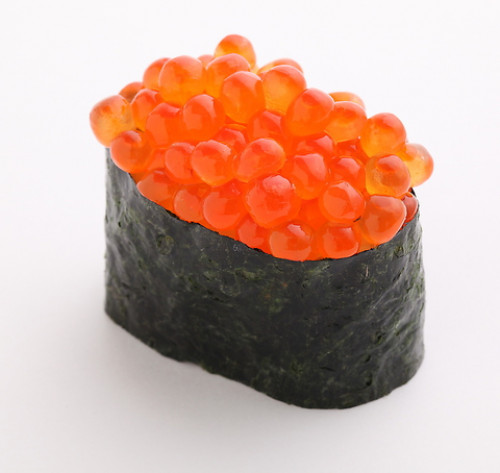
イクラ
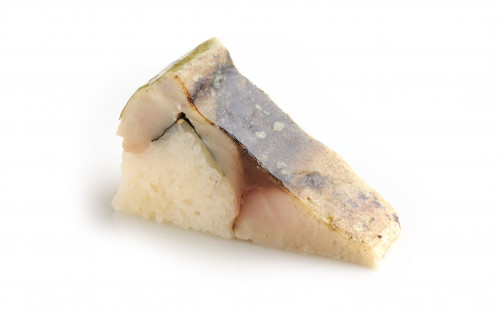
大名さば
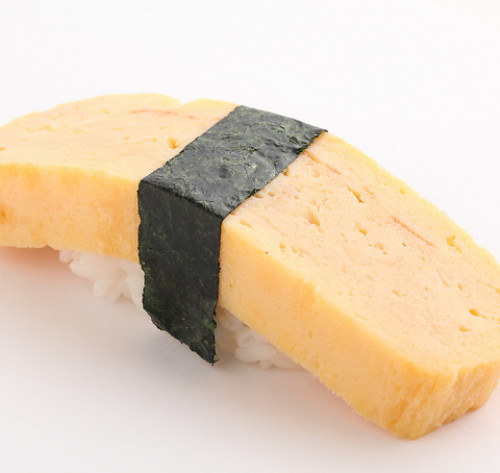
玉子にぎり
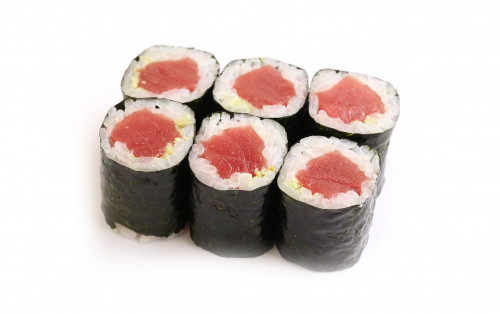
鉄火巻き
The names of sushi usually come from the "neta" (ingredients placed on top of the sushi, such as fish, shrimp, shellfish, or squid). However, the rolled sushi (makizushi) served in the latter half of omakase often has unique names unrelated to the ingredients. For example, rolled sushi made with tuna (maguro) red flesh (akami) and wasabi is called tekkamaki. But why is it called tekkamaki (鉄火巻き) instead of maguro maki (マグロ巻き)? There are a few theories about this. The first theory is that "tekka" (鉄火) originally referred to the state of iron turning red when heated or the sparks flying when hammered. The name tekkamaki is said to have come from the resemblance between the red color of tuna akami and heated iron. The second theory links the name tekkamaki to gambling culture. In old Japan, gambling dens were called "tekkaba" (鉄火場). Gamblers favored maguro maki as it could be eaten with one hand without getting their hands dirty during games, which led to the name tekkamaki. Both theories provide intriguing background to the name tekkamaki.
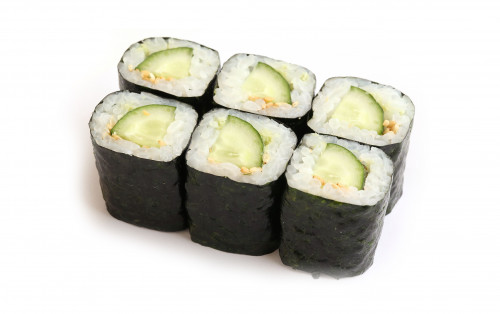
かっぱ巻き
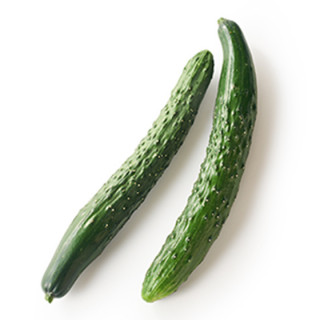
Aogua (Kyūri, cucumber) is an annual climbing plant in the gourd family and a staple summer vegetable in Japan. It is high in water content, with a crisp texture and refreshing flavor. Often eaten raw in asazuke (light pickles), nukazuke (rice bran pickles), sunomono (vinegared dishes), and salads, it is also shredded as a garnish for chilled Chinese noodles and somen. Served with moromi miso or ume paste, it makes a simple appetizer. Low in calories and containing vitamin C and potassium, it helps cool the body and prevent summer fatigue, long loved in home and regional Japanese cuisine.